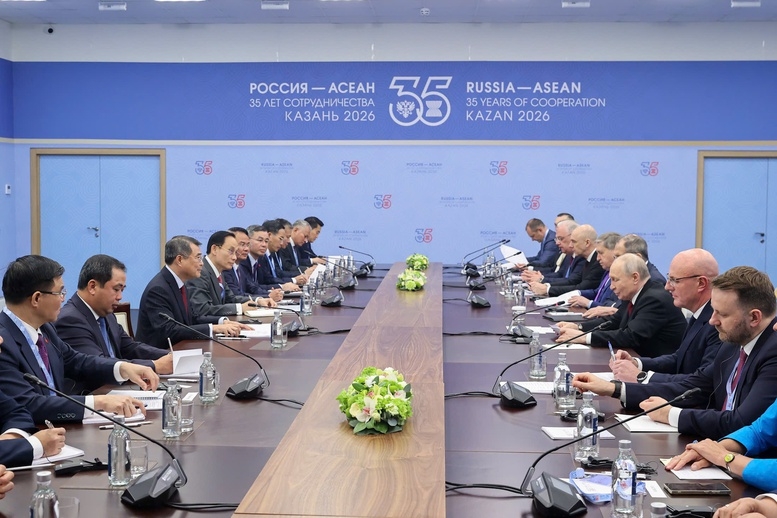
Vietnam and Russia Deepen Strategic Cooperation, Target US$15 Billion in Bilateral Trade
Vietnam and Russia are entering a new phase of strategic cooperation, reinforcing long-standing bilateral ties across key sectors including energy, trade, education, technology, and logistics. With both sides aiming to raise two-way trade to US$15 billion, the partnership is expected to unlock new economic opportunities and strengthen regional connectivity amid shifting global dynamics.
Vietnam and Russia Strengthen Strategic Cooperation
Vietnam and Russia have reaffirmed their commitment to enhancing their comprehensive strategic partnership, focusing on deepening cooperation in several priority sectors. The move reflects both countries’ shared determination to expand economic collaboration while maintaining strong political trust and diplomatic relations.
During recent high-level meetings, leaders from both nations emphasized the importance of preserving and expanding traditional cooperation pillars while also opening new areas for collaboration, particularly in technology-driven industries and sustainable development.
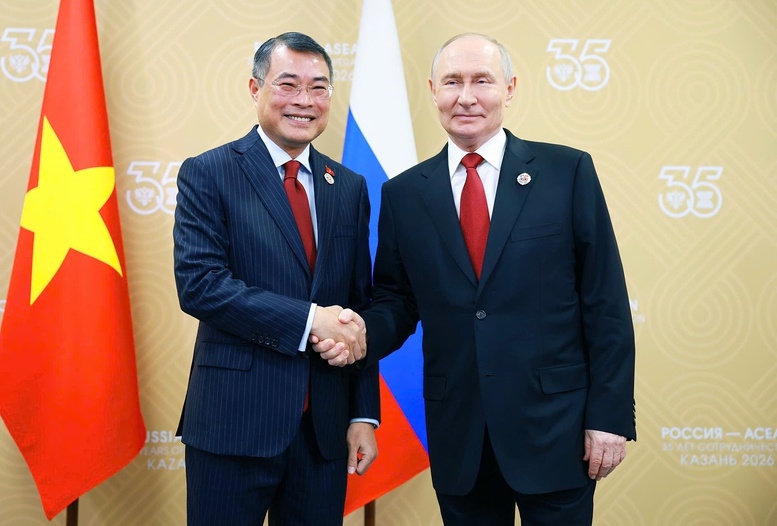
Prime Minister Le Minh Hung and Russian President Vladimir Putin
The strategic partnership between Vietnam and Russia has long been regarded as one of Vietnam’s most stable and enduring bilateral relationships, built on decades of political trust and economic exchange.
Trade Growth Targets Reach US$15 Billion
A key highlight of the renewed cooperation agenda is the ambitious target to increase bilateral trade turnover to US$15 billion in the coming years. This goal reflects strong confidence in the complementary nature of both economies and the untapped potential for further trade expansion.
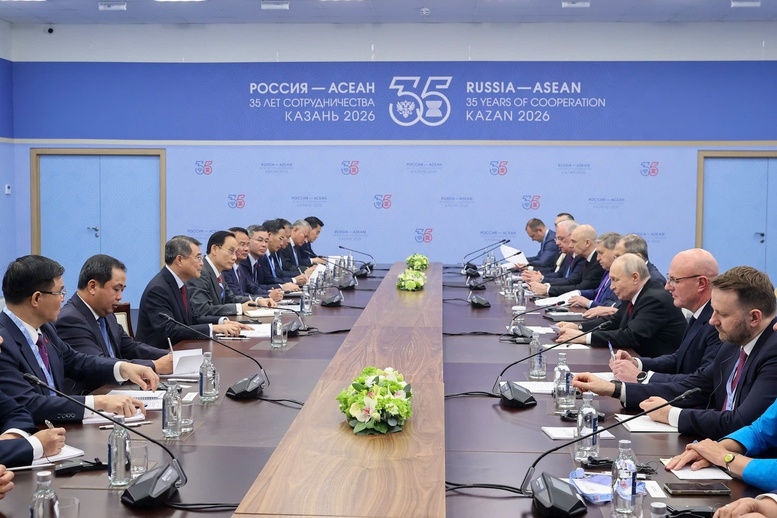
Vietnam and Russia Strengthen Strategic Partnership
In recent years, trade between Vietnam and Russia has shown consistent recovery despite global economic volatility, supply chain disruptions, and geopolitical uncertainties. Key export products from Vietnam include electronics, garments, seafood, and agricultural goods, while Russia remains a major supplier of energy resources, fertilizers, wheat, and industrial materials.
Both sides are also working to improve trade facilitation through logistics optimization, customs cooperation, and better use of free trade agreements, particularly the Vietnam–Eurasian Economic Union Free Trade Agreement.
Energy Cooperation Remains a Strategic Pillar
Energy continues to be one of the most important pillars of Vietnam-Russia cooperation. Oil and gas projects have historically played a central role in bilateral relations, with joint ventures contributing significantly to Vietnam’s energy security.
Russian energy companies have maintained a strong presence in Vietnam’s offshore exploration and extraction activities, while new discussions are expanding into renewable energy, LNG infrastructure, and nuclear technology cooperation.

As Vietnam accelerates its energy transition and seeks greater diversification, Russia’s expertise in both conventional and advanced energy technologies presents valuable opportunities for long-term collaboration.
Expanding Cooperation in Science, Education, and Innovation
Beyond trade and energy, Vietnam and Russia are placing stronger emphasis on cooperation in science, education, and digital transformation.
The two countries have agreed to increase academic exchanges, scholarships, and joint research programs in fields such as artificial intelligence, engineering, biotechnology, and cybersecurity. This reflects a broader strategy to strengthen human capital and technological capabilities.
Russia has long been an important educational destination for Vietnamese students, particularly in engineering and technical disciplines. The new cooperation framework aims to modernize this educational exchange by aligning it with emerging global technology trends.
Innovation partnerships are also expected to play a bigger role as both countries seek to adapt to the evolving digital economy.
Logistics and Connectivity as New Growth Drivers
Improving logistics connectivity has emerged as another major priority in Vietnam-Russia relations. Both governments are exploring ways to enhance transport routes, port cooperation, and supply chain integration to support rising trade volumes.
The development of alternative trade corridors, including maritime and rail transport, is expected to reduce delivery times and lower transportation costs, making bilateral trade more competitive.
This is particularly important as Vietnam strengthens its role as a manufacturing hub in Southeast Asia and Russia seeks to diversify its trade routes toward Asia-Pacific markets.
A Strategic Partnership for a Changing Global Economy
The renewed momentum in Vietnam-Russia cooperation reflects broader changes in the global economic landscape. As geopolitical tensions reshape international trade and investment flows, both countries are seeking stronger strategic partnerships to ensure economic resilience and long-term growth.
For Vietnam, deeper cooperation with Russia supports energy security, industrial development, and market diversification. For Russia, Vietnam serves as a critical gateway to Southeast Asia and ASEAN markets.
With clear priorities in trade, energy, education, and technology, the two nations are well-positioned to elevate their partnership to a new level. If the US$15 billion trade target is achieved, it will mark a significant milestone in one of Asia’s most enduring strategic relationships.
Source: https://vneconomy.vn/viet-nam-nga-thuc-day-cac-tru-cot-hop-tac-chien-luoc-huong-toi-kim-ngach-thuong-mai-15-ty-usd.htm